

Learn how to register your car in California with our step-by-step guide. First, understand the requirements for car registration in the Golden State, including necessary documents like proof of insurance and ownership. Next, verify your vehicle’s identity using a DMV VIN verifier to ensure everything is legitimate. Then, choose between completing the process online or in-person, pay the required fees, and receive your new license plate.
- Understand Requirements for Car Registration in California
- Gather Necessary Documents for Vehicle Registration
- Verify Vehicle Identity Using DMV VIN Verifier
- Complete Online or In-Person Registration Process
- Pay Registration Fees and Receive Your Plate
Understand Requirements for Car Registration in California

Before registering your car in California, it’s crucial to understand the state’s specific requirements. The California Department of Motor Vehicles (DMV) mandates several essential steps for new and used vehicle registration. One critical component is the verification of a Vehicle Identification Number (VIN). A DMV VIN verifier ensures that the VIN on your car matches the information in their records, helping to prevent fraud and ensuring the accuracy of ownership details.
Additionally, you’ll need to complete necessary paperwork, including applications for title and registration, along with proof of insurance and identification. For convenience, many California residents opt for mobile VIN verification services, which provide a swift and efficient vin inspection right at your location. This streamlined approach simplifies the registration process, saving time and effort.
Gather Necessary Documents for Vehicle Registration

Before you start the registration process, it’s crucial to gather all the essential documents for vehicle registration in California. This typically includes proof of ownership, such as a bill of sale or a previous registration certificate; a valid driver’s license; and, perhaps most importantly, your Vehicle Identification Number (VIN) verifier from the DMV. Additionally, you’ll need to provide evidence of auto insurance coverage and any applicable fees for registration and title transfer.
The VIN, which is a unique identifier for your vehicle, plays a vital role in both verifying ownership and ensuring that the car meets safety standards. You can obtain a VIN inspection through a variety of methods, including a mobile vin verification service or visiting a local DMV office to conduct a manual inspection. This step is crucial not only for registration but also for future reference and potential insurance claims.
Verify Vehicle Identity Using DMV VIN Verifier
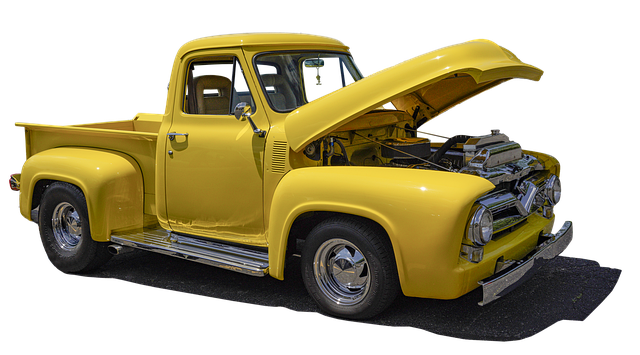
Before registering your car in California, it’s crucial to ensure the vehicle’s identity is verified. One effective way to do this is by using a DMV VIN Verifier. This tool enables you to confirm the vehicle’s history and authenticity by cross-referencing its unique Vehicle Identification Number (VIN) with data stored in the Department of Motor Vehicles’ databases. With just a few simple steps, you can conduct a vin inspection right from the comfort of your home or even using a mobile vin verifier app.
This process is particularly important to ensure that the car you’re registering hasn’t been reported stolen or has any outstanding issues. By utilizing a mobile vin inspection service, you can save time and effort while still maintaining the integrity of the registration process. This step is a game-changer in navigating California’s vehicle registration requirements efficiently.
Complete Online or In-Person Registration Process

In California, registering your car involves a straightforward process that can be completed online or in-person at a DMV office. The initial step is to gather all necessary documents, including proof of ownership, vehicle identification number (VIN) verifier records (obtained through a DMV vin verifier or mobile vin inspection), and any applicable fees. Once you have these prepared, you can either submit your registration application digitally or visit a local DMV center.
For an online registration, the process is simple: enter your details, upload required documents, and pay the fee. A mobile vin verifier can ensure that all vehicle information is accurate and up-to-date, streamlining the process. Alternatively, in-person registration requires queuing at the DMV, presenting your documents, and completing a registration form. Both methods result in a fresh set of license plates and a registered vehicle, ensuring compliance with California’s vehicle registration regulations.
Pay Registration Fees and Receive Your Plate

After completing your vehicle’s registration application at the California DMV or through their online services, the next step is to pay the required fees. These fees include the registration cost, car tax, and a vehicle identification number (VIN) verifier fee. The VIN is a unique code that identifies your car, and it’s crucial for tracking and verifying ownership, so ensure this process is carried out accurately. A mobile VIN inspection or using a reliable online tool can help you verify the VIN before proceeding, making the registration smoother.
Once your payment is processed, you will receive your vehicle’s license plate. In California, these plates are typically assigned based on the type of vehicle and may vary in design. Keep your registration documents and license plate securely as they are essential for legal driving and may be required during traffic stops or when transferring ownership in the future.
Registering a car in California is a straightforward process that requires understanding specific requirements, gathering essential documents, and completing either an online or in-person registration. Using a DMV VIN verifier ensures vehicle identity, streamlining the procedure. Once your application is approved, you’ll pay relevant fees and receive your license plate, marking the successful completion of your vehicle’s registration.