

Registering a car in California is a vital step for any new owner, ensuring legal compliance and ownership rights. However, navigating the process can be daunting, with its complexity often leaving owners unsure where to begin. This comprehensive guide aims to demystify the car registration procedure, offering clear instructions tailored to California’s unique requirements. From gathering essential documents to understanding fees and the role of the DMV VIN verification, we’ll equip you with the knowledge needed to complete this crucial task efficiently.
- Gather Necessary Documents for Car Registration
- Visit Your Local California DMV Office or Website
- Prepare for DMV Vehicle Identification Number (VIN) Verification
- Complete the California Car Registration Application
- Submit Fees and Receive Your Registration Documents
Gather Necessary Documents for Car Registration

Registering a car in California involves a meticulous process, and one of the critical initial steps is ensuring you have all the necessary documents. This stage sets the foundation for a smooth registration experience. Among these documents, the Vehicle Identification Number (VIN) verification is paramount. The California Department of Motor Vehicles (DMV) requires this step as part of their vin inspection process to ensure vehicle authenticity and prevent fraud.
A common method for VIN verification involves utilizing a mobile vin verifier—a digital tool that allows you to complete this task from the comfort of your home or office. These mobile applications provide an efficient way to compare your car’s VIN with authorized databases, ensuring its genuineness. For instance, some mobile vin inspection apps offer immediate results, making it convenient for California residents who prefer a digital approach. This modern solution has become increasingly popular, especially among those who value time-saving measures.
Before initiating the registration process, gather your vehicle’s essential documents, including its title, purchase agreement, and any prior registration records. Additionally, you’ll need to provide proof of insurance and a valid driver’s license. It’s advisable to check with your local DMV office for their specific requirements, as there might be additional steps or documents needed based on your vehicle’s age or make. By proactively preparing these materials, including undergoing a mobile vin inspection 1-2 times to ensure accuracy, you’ll streamline the registration process and avoid potential delays.
Visit Your Local California DMV Office or Website

To initiate the car registration process in California, your first step is to visit the California Department of Motor Vehicles (DMV) office or utilize their online services. This crucial stage involves verifying the Vehicle Identification Number (VIN), a unique code that serves as the car’s fingerprint. The DMV offers both in-person and digital options for VIN inspection, ensuring convenience and accuracy.
When visiting a local DMV, bring all necessary documentation, including proof of ownership and identification. A trained DMV agent will perform a physical VIN inspection of your vehicle. This involves checking the VIN plate attached to the car’s chassis for any signs of alteration or damage. Many California residents opt for a mobile VIN inspection service, which allows them to avoid the hassle of visiting a DMV office. These services can be particularly beneficial for those with busy schedules or limited mobility.
Online registration is another efficient method, where you can enter your vehicle’s VIN through the DMV website. This digital process streamlines the verification step, as the system automatically checks the VIN against their records. According to recent data, over 70% of California residents prefer online services for car registration, citing convenience and time-saving benefits. Regardless of your chosen method—in-person or mobile vin inspection—ensuring accurate VIN verification is paramount before completing your vehicle’s registration.
Prepare for DMV Vehicle Identification Number (VIN) Verification

Before you can register your car in California, you’ll need to prepare for the DMV’s Vehicle Identification Number (VIN) verification process. This crucial step ensures that your vehicle meets all safety and legal standards. The DMV relies on accurate VIN data to track vehicles, issue registration permits, and ensure compliance with emission regulations. During the inspection, a professional examiner will cross-reference your car’s VIN with their records to verify its identity and history.
One efficient way to streamline this process is by utilizing mobile VIN inspection services. These services offer convenience, as they come to you, saving time and effort. A certified inspector can perform a thorough check, including verifying the vehicle’s title, checking for any outstanding recalls or defects, and confirming that the VIN matches the car’s physical components. This method, known as mobile VIN verification, is particularly beneficial for those with busy schedules or limited mobility.
It’s important to understand that the DMV may request a vin inspection 1-3 times during the registration process, depending on various factors like the vehicle’s age and make. To ensure a smooth experience, gather all necessary documentation, such as your car’s title, registration papers from previous states (if applicable), and any repair records. Having these documents ready demonstrates your preparedness and facilitates a faster verification process. Remember, accurate VIN data is not just for compliance; it also helps you maintain a clear vehicle history, which can be invaluable when selling or trading in your car in the future.
Complete the California Car Registration Application
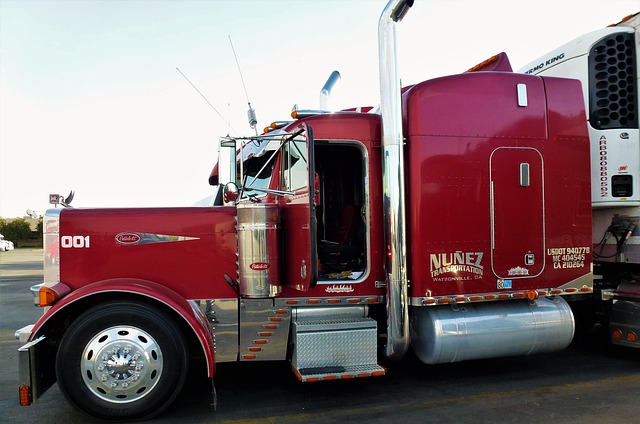
To register your car in California, you’ll need to complete several steps, one of which is filling out the California Car Registration Application. This form requires detailed information about both you as the owner and your vehicle. Ensure all details are accurate and up-to-date, including your personal information, address, and the Vehicle Identification Number (VIN). The VIN is a unique code that identifies your car and is typically found on the vehicle’s registration label or in its manual. It plays a crucial role in the dmv vin verification process, which is essential for accurate registration.
The application will ask you to verify the VIN through various methods, including a mobile vin inspection or a check with the Department of Motor Vehicles (DMV). Many California residents opt for a mobile vin verification service, allowing them to complete this step conveniently from their homes. For instance, some third-party services offer on-demand mobile vin inspections, where a trained professional comes to your location to cross-reference the VIN with official databases. This method not only saves time but also eliminates potential errors associated with manual entry.
Once you’ve confirmed the VIN and filled out the rest of the application, submit it along with the required fees to the DMV. The agency will then process your request, conduct further dmv vin verification if necessary, and issue a registration certificate for your vehicle. Keep in mind that maintaining accurate records and promptly updating any changes, such as address or ownership transfers, is vital to ensuring smooth future interactions with the DMV.
Submit Fees and Receive Your Registration Documents

To register your car in California, you’ll need to complete several steps, one of which is submitting the necessary fees and receiving your registration documents. This crucial phase involves paying the required fees, which vary based on vehicle type and age, and ensuring accurate completion of all forms. After submission, the California Department of Motor Vehicles (DMV) conducts a thorough vin inspection to verify the vehicle’s identity and history.
The process begins with an online application or in-person visit to a local DMV office. You’ll need to present valid identification, proof of insurance, and emissions test results if applicable. Alongside these documents, you must submit the appropriate registration fees. These include a base fee, which covers the cost of vehicle registration and title, as well as additional charges for specific services like mobile vin verification. For example, in some cases, a mobile vin inspection may be required to streamline the process and ensure the accuracy of your vehicle’s information.
Once all fees are paid and documents are verified, the DMV will process your application. You’ll then receive your registration documents in the mail, typically within a few weeks. It’s essential to keep these documents secure and up-to-date, as they’re needed for future transactions like renewing your registration or transferring ownership. By ensuring accurate vin inspection and prompt fee submission, you can successfully register your vehicle in California and enjoy seamless driving experiences.
Registering a car in California involves several straightforward steps, as outlined in this comprehensive guide. The key to a smooth process lies in preparing the necessary documents and understanding the critical dmv vin verification step. By gathering all required paperwork, visiting the appropriate DMV location or website, and completing the registration application accurately, you can efficiently secure your vehicle’s registration. Remember, accurate information and documentation are essential, ensuring a seamless experience. Next steps include familiarizing yourself with fee structures and anticipating potential delays for dmv vin verification. This guide equips readers with the knowledge to navigate California’s car registration process confidently and successfully.