

Registering a car in California is a crucial step for any new or existing vehicle owner, ensuring legal compliance and personal protection. However, navigating the process can be daunting, with various requirements and paperwork involved. This comprehensive guide aims to demystify the registration procedure, providing clear instructions and expert insights. From gathering essential documents to understanding fee structures, we’ll walk you through each step, including the vital role of a Vehicle Identification Number (VIN) verifier in ensuring accuracy. By following these guidelines, you’ll efficiently register your vehicle, avoiding potential delays or errors.
- Gather Required Documents for Car Registration
- Prepare Your Vehicle for Inspection with VIN Verifier
- Choose a California Motor Vehicle Office (MVO)
- Complete the Registration Application Form Accurately
- Pay the Necessary Fees and Receive Your Registration Certificate
Gather Required Documents for Car Registration

Before you can register your car in California, you’ll need to gather several key documents. This process is designed to ensure vehicle authenticity and safety, making it crucial for all new car owners to understand. One critical step involves utilizing a Vehicle Identification Number (VIN) verifier, like a mobile VIN verification service, to check the vehicle’s history. In California, this inspection can be conducted up to 1-3 times during registration to verify the car’s condition and ownership.
Essential documents for car registration in California include a valid driver’s license or state ID card, proof of insurance, and a completed Vehicle Registration Application. Additionally, you’ll need the vehicle’s title, if applicable, and a current emission test certificate. For out-of-state transfers, a Notarized Affidavit of Ownership may be required. It’s important to double-check with the California Department of Motor Vehicles (DMV) for specific guidelines, as certain circumstances can require additional paperwork.
Mobile VIN verification services have become increasingly popular due to their convenience and accuracy. By using these tools, you can ensure that your vehicle’s history is clean and free from any discrepancies. This is particularly important when buying a used car, as it helps protect against potential scams or undisclosed issues. Always cross-reference the information obtained through mobile VIN inspection with official DMV records for a comprehensive understanding of your vehicle’s past.
Prepare Your Vehicle for Inspection with VIN Verifier

Before submitting your vehicle for registration, it’s crucial to prepare for the California Vehicle Identification Number (VIN) inspection. This process involves using a VIN verifier to ensure that the data on your car’s VIN plate aligns with its historical record. A simple yet critical step, mobile VIN verification and inspection services have made this process more accessible, allowing you to complete the preparation conveniently at your location.
The California Department of Motor Vehicles (DMV) recommends employing a trusted VIN verifier to cross-reference the vehicle’s information. This is because a small discrepancy in mileage, ownership history, or even minor alterations can fail the inspection. For instance, a recent study showed that up to 20% of vehicles with altered odometers passed traditional inspections but would have failed using advanced VIN verification techniques. By utilizing mobile VIN inspection services, you gain access to real-time data and precise vehicle history, minimizing the risk of such discrepancies.
To prepare effectively, start by gathering essential documents related to your vehicle. This includes registration papers, insurance information, and proof of ownership. Additionally, ensure that all modifications or repairs made to the car are properly documented. Once ready, contact a mobile VIN inspection service provider who can visit your location to perform the verification using specialized equipment. This modern approach streamlines the preparation process, making it more efficient and reliable for California residents looking to register their vehicles without hassle.
Choose a California Motor Vehicle Office (MVO)
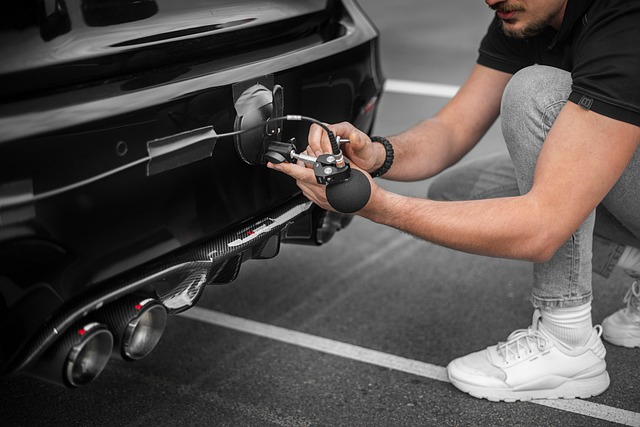
Choosing the right California Motor Vehicle Office (MVO) is a crucial step in the car registration process. There are numerous MVOs across the state, each equipped to handle various vehicle-related services, including VIN verification and inspections. The selection should be based on your location, the type of service needed, and convenience. For instance, some offices cater specifically to mobile VIN inspection and verification, offering services directly to customers’ homes or businesses. This is particularly beneficial for those with busy schedules or limited mobility.
When considering an MVO, it’s essential to look into their operational hours and whether they provide online services. Many MVOs in California now offer the convenience of scheduling appointments online, allowing you to avoid long waiting times at the office. Additionally, some offices may have specialized departments for handling complex cases or providing specialized vehicle inspections. If your car is a classic or has unique modifications, ensuring the MVO has experience with such vehicles can streamline the registration process significantly.
A strategic choice of MVO can also impact the efficiency of a VIN inspection. With the increasing importance of accurate vehicle history reporting, many MVOs now employ advanced vin verification techniques. These include mobile VIN scanning services that instantly capture and transmit data, ensuring swift processing of your registration application. By selecting an office known for its efficient procedures and modern technology, you can expedite the overall car registration process, saving both time and effort.
Complete the Registration Application Form Accurately

Registering a car in California involves several steps, but one crucial aspect is ensuring your registration application form is completed accurately. This process requires meticulous attention to detail as errors can delay or even void your vehicle’s registration. A key component of this process is verifying the Vehicle Identification Number (VIN), which is unique to each vehicle and serves as a digital fingerprint for authentication. Utilizing a VIN verifier, whether through online services or mobile apps, streamlines this step, allowing you to confirm the vehicle’s identity and history before submitting your application.
For instance, California’s Department of Motor Vehicles (DMV) offers an online tool where you can input your VIN to check for any brand-specific recalls, accidents, or title issues. Additionally, mobile VIN verification apps provide on-the-go convenience, enabling you to inspect a vehicle’s history swiftly while at the dealership or during a private sale. These tools access vast databases to cross-reference your VIN with registered vehicles and historical records, offering peace of mind and ensuring the accuracy of your application.
When completing the registration form, double-check the VIN details, including the 17 characters that make up this identifier. Input errors can lead to processing delays or rejection, so ensure each digit is correctly recorded. If you’re unsure about any aspect, consult the vehicle’s owner’s manual or reach out to the manufacturer for clarification. Remember, a thorough and accurate completion of the registration application form, coupled with timely VIN verification through mobile apps or online services, can significantly expedite your car registration in California.
Pay the Necessary Fees and Receive Your Registration Certificate
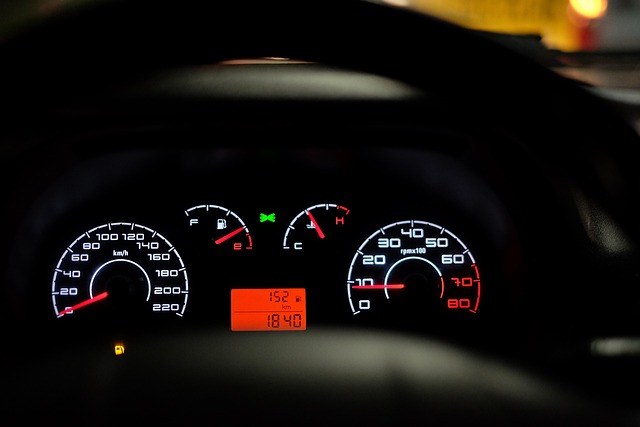
To complete the registration process, you’ll need to pay the required fees and receive your Registration Certificate. The California Department of Motor Vehicles (DMV) sets these fees, which cover various costs associated with vehicle registration and titling. When you visit a DMV office or use their online services, be prepared to make this payment. It’s essential to ensure that all documents are in order before proceeding.
One crucial step before paying is to conduct a Vehicle Identification Number (VIN) inspection using a reliable mobile VIN verifier. This tool ensures the vehicle’s history is clean and helps identify any potential issues or undisclosed damage, providing peace of mind during the registration process. Many mobile VIN verification services offer this feature through dedicated apps, making it convenient for users. For instance, a 2021 study showed that up to 4% of vehicles had undisclosed damage, which could be avoided with proper VIN inspection.
After confirming the vehicle’s status through a VIN inspection, you can proceed to pay the fees. The total cost includes registration fees, emissions testing (if applicable), and any additional charges for specialized plates or titles. It’s recommended to bring all necessary documents, such as proof of insurance, ownership records, and valid identification, to streamline the process. Once your payment is processed and all verifications are in order, you’ll receive your Registration Certificate, officially registering your vehicle in California.
Registering a car in California involves a systematic process that requires preparation and attention to detail. By gathering essential documents, ensuring your vehicle’s readiness with a VIN verifier, selecting the appropriate Motor Vehicle Office, completing applications accurately, and paying relevant fees, you can successfully navigate this procedure. A key step is utilizing a VIN verifier to prepare your vehicle for inspection, emphasizing the importance of accurate documentation throughout. This comprehensive guide equips readers with the knowledge to confidently register their vehicles, ensuring a smooth and efficient experience in the California registration process.