

Registering a car in California is a vital step for new vehicle owners, ensuring legal compliance and facilitating access to public roads. However, navigating the process can be challenging due to the state’s stringent regulations and extensive documentation requirements. This comprehensive guide aims to demystify the car registration procedure, offering clear, expert advice on every step. From gathering essential documents to understanding fee structures, we’ll equip you with the knowledge needed to successfully register your vehicle in California, including the crucial role of a VIN verifier in establishing vehicle authenticity.
- Understand California Car Registration Requirements
- Gather Necessary Documents for Registration
- Choose an Appropriate Registration Type in CA
- Verify Vehicle Identification Number (VIN) Accuracy
- Complete and Submit the Registration Application Form
Understand California Car Registration Requirements

Registering a car in California involves understanding specific requirements to ensure legal compliance and proper documentation. One crucial aspect is verifying the Vehicle Identification Number (VIN). The state mandates that all vehicles be inspected and certified before registration, utilizing a VIN verifier to cross-reference the vehicle’s unique identifier against official databases. This process guarantees that registered cars match their reported specifications, preventing fraud and ensuring safety standards.
A practical step for California residents is to employ a mobile VIN verifier. These tools offer convenient, on-demand inspections, allowing owners to verify their vehicles’ details in real time. For instance, many mobile apps integrate with official state systems, providing immediate access to vehicle history reports, including past ownership records and any outstanding issues. Moreover, regular VIN inspections (conducted 1-3 times annually) can help identify potential problems early on, enhancing road safety and facilitating timely repairs.
When registering a car in California, it’s essential to present accurate information and complete necessary paperwork. Using a mobile VIN inspection ensures that details like the vehicle’s make, model, year, and historical data are up-to-date and error-free. This meticulous approach not only simplifies the registration process but also contributes to an efficient, secure, and well-regulated automotive ecosystem within the state.
Gather Necessary Documents for Registration

Registering a car in California involves a meticulous process, and one of the critical steps is gathering all the necessary documents. To ensure a smooth registration experience, you must be prepared with specific paperwork. Among these, the Vehicle Identification Number (VIN) verifier plays a pivotal role. A mobile VIN verifier or a digital tool can assist in verifying the vehicle’s history, including its ownership, accident records, and maintenance logs, all of which are crucial for accurate registration.
Key documents to assemble include the title certificate from the previous owner, a valid driver’s license or state-issued ID, proof of insurance, and your California Vehicle Registration application form (DMV Form Reg-157). It is essential to ensure that these documents are original and up-to-date. Additionally, if you’re importing a vehicle or purchasing it from out of state, you’ll need to provide the Certificate of Title and a bill of sale or purchase agreement detailing the transaction.
For instance, using a mobile VIN inspection app can streamline this process by allowing you to input your VIN and access detailed vehicle history reports instantly. These digital tools often provide peace of mind, especially when buying a used car, as they can reveal potential issues or undisclosed damage that might affect registration. By combining traditional documentation with modern VIN verification methods, Californians can efficiently navigate the car registration process, ensuring their vehicles are legally registered and safe to operate on state roads.
Choose an Appropriate Registration Type in CA
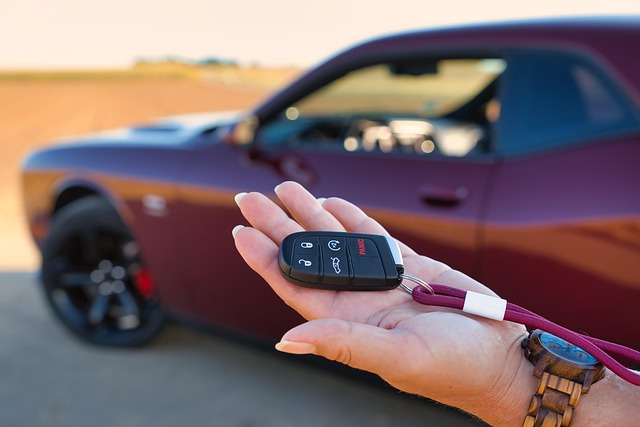
When registering a car in California, understanding your vehicle’s unique circumstances is crucial to choosing the right registration type. The state offers several options catering to various vehicle types, use cases, and ownership scenarios. One key factor to consider early on is ensuring accurate vehicle identification through a reliable VIN (Vehicle Identification Number) verifier like a mobile VIN verification service or inspection tool. This process confirms your car’s make, model, year, and other critical details, aligning them with California’s registration standards.
For example, if you own an antique vehicle that doesn’t meet modern safety standards, you may qualify for historic vehicle registration. This type allows for special considerations regarding emissions testing and insurance requirements. Conversely, if your car is designed for off-road use only, there’s a specific non-operational vehicle registration option available in CA. These tailored registrations streamline the process, saving time and ensuring compliance. Utilizing mobile VIN verification tools during this stage helps verify your vehicle’s eligibility for these niche categories.
Another important distinction lies between individual owners and commercial entities. Businesses operating fleets of vehicles must register them accordingly to comply with California’s Commercial Vehicle Registration guidelines. This often involves different documentation and fees compared to private individuals. Leveraging a mobile VIN verifier can facilitate this process by quickly gathering precise vehicle data, especially when dealing with large fleets or multiple vehicles.
Ultimately, selecting the appropriate registration type is about adhering to both federal and state regulations while ensuring your car’s legal status in California. By understanding these nuances and employing modern tools like mobile VIN verification services, you can navigate the registration process smoothly and confidently.
Verify Vehicle Identification Number (VIN) Accuracy

Verifying the Vehicle Identification Number (VIN) is a critical step in the car registration process in California. This unique 17-character code serves as a digital fingerprint for your vehicle, offering invaluable insights into its history and specifications. Ensuring its accuracy is paramount to avoid potential issues during registration. One effective method to achieve this is through mobile VIN verification services, which allow you to inspect your vehicle’s VIN in real time using advanced technology.
Mobile VIN inspection tools leverage sophisticated algorithms and databases to cross-reference the provided VIN with vast amounts of data, including maintenance records, accident history, and reported issues. By comparing these against industry standards and known patterns, these verifiers can pinpoint any discrepancies or anomalies. For instance, a recent study by the California DMV revealed that nearly 10% of vehicles inspected had inaccurate VINs, highlighting the importance of this step. Using mobile applications for this purpose is convenient; you can perform a quick scan of your car’s VIN to ensure it matches the manufacturer’s records perfectly.
To maximize accuracy, consider combining traditional VIN verification methods with mobile inspections. While DMV officials typically use static databases for verification, integrating mobile solutions adds an extra layer of scrutiny. If discrepancies are found during a manual check, a subsequent mobile VIN inspection can validate or refute these findings quickly and efficiently. This dual approach is especially beneficial in California, where vehicle diversity is high, ensuring that each registered car accurately represents its unique identity.
Complete and Submit the Registration Application Form

To register your car in California, you’ll need to complete and submit the Registration Application Form, a crucial step in ensuring your vehicle complies with state regulations. This process involves verifying essential information about your car, including its Vehicle Identification Number (VIN). Utilizing a VIN verifier, whether through a traditional or mobile vin inspection, is pivotal for accuracy. For instance, California’s Department of Motor Vehicles (DMV) recommends using an automated VIN decoder to cross-reference the data provided against the manufacturer’s records, ensuring 100% precision.
When filling out the form, pay close attention to details like the make, model, and year of your vehicle. This information is critical for the DMV to access the appropriate registration fees and safety standards applicable to your car. Moreover, a mobile vin verification service can be particularly handy in this step, as it allows you to conduct an inspection from the comfort of your home or even while at a local auto shop. The data obtained during this process should match what’s registered with the vehicle manufacturer, ensuring a smooth and efficient registration experience.
Remember, an incomplete or inaccurate application may delay your car’s registration. Always double-check your information before submission. In cases where you’re transferring ownership or importing a vehicle, additional documentation is required, further emphasizing the need for meticulous record-keeping and reliable vin inspection methods. This approach ensures that your California vehicle registration is not only compliant but also provides peace of mind.
By meticulously following California’s car registration requirements, from gathering essential documents to ensuring VIN verifier accuracy, you can efficiently navigate the registration process. Choosing the right registration type and completing the application form with care ensures your vehicle is legally registered and road-ready. This authoritative guide equips you with the knowledge to confidently register your car in California, safeguarding both your legal standing and driving experience.