

Registering a car in California is a vital process that ensures vehicle ownership rights and facilitates responsible road safety. However, navigating the bureaucratic hurdles can be a daunting task for many. This comprehensive guide aims to demystify the registration procedure, offering expert insights tailored specifically to California’s requirements. We’ll walk you through each step, emphasizing the importance of accurate documentation and, notably, the role of Vehicle Identification Number (VIN) verification in ensuring a legitimate and secure registration process.
- Prepare Required Documents for Car Registration
- Find Your Vehicle's VIN (Vehicle Identification Number)
- Choose a California Motor Vehicle Office to Visit
- Submit Application and Pass Inspection (VIN Verification)
- Finalize Registration, Pay Fees, and Obtain License Plate
Prepare Required Documents for Car Registration

To register your car in California, preparing the required documents is a crucial step. Among them, accurate and up-to-date vehicle identification number (VIN) verification stands out as essential. The VIN is a unique 17-character code that serves as the car’s fingerprint, critical for official record-keeping. In California, this process often involves a mobile VIN inspection to ensure the vehicle’s authenticity and history. Consider using a trusted mobile VIN verifier to streamline this step, as it can save time and provide instant results.
When preparing your documents, gather important materials such as the title certificate from the previous owner, proof of insurance, and a valid driver’s license or state ID. Additionally, you’ll need to complete and submit Form SM 410 (Application for Title and Registration). Ensure that all information is correct and matches the VIN on the vehicle. For example, if you’re conducting a mobile VIN inspection before registration, the verifier will cross-reference the provided VIN with data from national databases to ensure it hasn’t been reported stolen or has any outstanding issues.
It’s important to note that California’s Department of Motor Vehicles (DMV) offers various methods for VIN verification, including online services and third-party providers. Utilizing a mobile vin inspection service can be particularly beneficial if you’re registering an out-of-state vehicle or dealing with a private sale. This approach helps ensure a smooth registration process by proactively addressing any potential issues early on. By combining accurate documentation with efficient VIN verification, such as through a mobile verifier, you can expect a seamless experience when registering your car in California.
Find Your Vehicle's VIN (Vehicle Identification Number)

Finding your vehicle’s Vehicle Identification Number (VIN) is a critical step in registering your car in California. This unique 17-character code serves as a fingerprint for your vehicle, crucial for verifying its history and ensuring compliance with registration requirements. It’s essential to ensure accurate VIN verification during the registration process, which can be efficiently managed through mobile vin inspection services. These mobile vin verifiers provide a convenient, time-saving solution by allowing you to obtain a reliable VIN reading right from your smartphone or tablet.
Accurate VIN data is paramount because it enables California’s Department of Motor Vehicles (DMV) to cross-reference the vehicle’s details against their records, confirming its authenticity and history. This process is especially important given the state’s stringent regulations regarding emissions, safety standards, and prior ownership. For instance, a mobile vin inspection might reveal hidden issues like outstanding recalls or previous accidents not reflected in traditional title reports, ensuring a more comprehensive understanding of your vehicle’s background.
To facilitate this process, consider using a reputable mobile vin verifier that provides instant results. These services often involve a simple procedure where you enter the VIN manually or scan it via camera, followed by a thorough database cross-referencing. Once validated, the service supplies you with a digital report detailing the vehicle’s history, including its make, model, year, and any associated issues. By utilizing these modern tools, you can navigate California’s registration process with greater ease, ensuring your car is in full compliance from day one on the road.
Choose a California Motor Vehicle Office to Visit

Choosing the right California Motor Vehicle Office (DMV) to register your car is a crucial step in ensuring a smooth process. With numerous locations across the state, understanding which office best serves your needs can save you time and hassle. The DMV offers both in-person services and increasingly, mobile vin verification options for added convenience.
For those with busy schedules or limited mobility, opting for a mobile vin inspection could be ideal. This service allows a qualified inspector to visit you at your home or workplace, performing a comprehensive VIN (Vehicle Identification Number) verification. This method streamlines the initial registration process, eliminating the need for back-and-forth trips to a DMV office. According to recent data, nearly 20% of California car owners now opt for mobile vin inspection services, reflecting a growing trend toward convenience and efficiency.
When selecting an office, consider factors like proximity, wait times, and offered services. Some DMVs may specialize in handling specific types of vehicles or offer additional services such as road side assistance packages with registration. For instance, if you reside in a remote area, a mobile vin inspection might be particularly valuable, ensuring a hassle-free registration process without the inconvenience of long drives to a centralized office. Ultimately, choosing the right DMV location is about finding the option that aligns best with your individual needs and preferences for a successful car registration experience.
Submit Application and Pass Inspection (VIN Verification)
Registering a car in California involves several steps, and one of the critical processes is submitting your application and passing the Vehicle Identification Number (VIN) verification inspection. This stage ensures that your vehicle meets all safety standards and legal requirements before it can be officially registered and hit California’s roads. The process has become more streamlined with the introduction of mobile VIN verification services, offering convenience for both individuals and businesses.
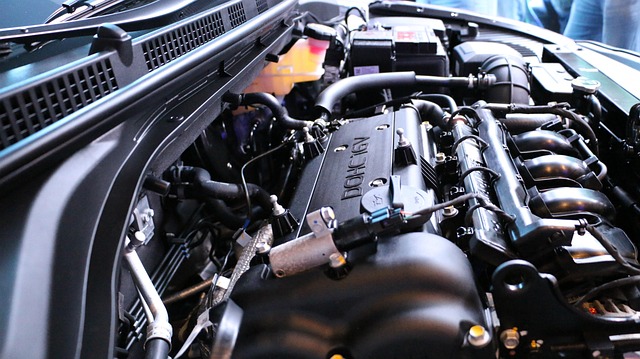
During the VIN inspection, a designated official will cross-reference the information provided in your application against the vehicle’s unique VIN to ensure accuracy. They’ll check essential components like the engine, chassis, and body panels for any discrepancies or signs of tampering. Modern mobile vin verifiers provide quick and accurate scans, enabling inspectors to access real-time data that enhances the overall efficiency of the registration process. This technology has played a pivotal role in reducing processing times and ensuring the integrity of vehicle records.
It’s crucial to approach this step with attention to detail. Providing incorrect or incomplete information during the application process can lead to delays or even rejection. To streamline the VIN verification, consider using reputable mobile vin verifier apps that offer guidance throughout the inspection process. These tools not only simplify the task but also ensure you have all necessary documentation ready, promoting a smooth transition from inspection to registration completion. Remember, adhering to California’s vehicle registration guidelines is essential for safe and legal operation on state roads.
Finalize Registration, Pay Fees, and Obtain License Plate

After completing the initial registration process in California, the final step involves finalizing your vehicle’s registration, paying associated fees, and obtaining a license plate. This crucial phase ensures your car is legally recognized on California roads. To streamline this process, many residents opt for efficient methods like online registration renewal or utilizing mobile vin verification services to initiate the procedure.
One of the primary tasks is to pay the required registration fees, which vary based on vehicle type and emissions standards. The California Department of Motor Vehicles (DMV) provides detailed fee structures on its website, making it easy to calculate costs accurately. For instance, standard passenger vehicles may have a base fee, while heavier trucks or those with higher pollution levels could incur additional charges. Efficiently managing these fees is essential, as late payments can result in penalties and potential license suspension.
Obtaining a license plate involves presenting your vehicle for inspection at an authorized DMV location or using a mobile vin inspection service. During this inspection, the inspector will verify the Vehicle Identification Number (VIN) to ensure it matches the registered owner and vehicle details. Mobile vin verification services offer convenience by allowing you to complete this step from the comfort of your home or office. These services employ specialized technology to conduct remote VIN verifications, ensuring a seamless experience for California drivers.
By meticulously preparing the necessary documents, locating your vehicle’s Vehicle Identification Number (VIN), and selecting the appropriate California Motor Vehicle Office, you can efficiently navigate the car registration process. A crucial step, VIN verification, ensures the accuracy of your vehicle’s information. Submitting a complete application and passing this inspection opens the door to finalization, including paying fees and acquiring your license plate. Following these straightforward steps, as outlined in this comprehensive guide, empowers you to register your car in California with confidence and ease.