

Registering a car in California is a vital step for any new owner, ensuring legal compliance and protecting your investment. However, navigating the process can be a challenge, with various requirements and potential pitfalls. This comprehensive guide aims to demystify the process, offering expert insights into every step, from gathering essential documents to utilizing reliable VIN verifiers to ensure the authenticity of your vehicle. By the end, you’ll be equipped with the knowledge to register your car seamlessly and with confidence.
- Understand California Car Registration Requirements
- Gather Necessary Documents for Car Registration
- Prepare Your Vehicle's VIN Verifier
- Submit Application & Pay Fees for Car Registration
- Receive and Verify Your California Car Registration Documents
Understand California Car Registration Requirements

Registering a car in California involves understanding specific requirements aimed at ensuring vehicle safety and accountability. The process begins with gathering essential documents and verifying the vehicle’s identification number (VIN). This step is crucial, and many Californians opt for a mobile VIN verification service to simplify the process. A VIN verifier, whether mobile or stationary, checks the vehicle’s history, including any recalls or previous registrations, by cross-referencing the unique VIN with state and national databases.
In California, a valid driver’s license and proof of insurance are mandatory for registration. Additionally, you’ll need a completed California Vehicle Registration Application, often available online or from a local Department of Motor Vehicles (DMV) office. The application requires detailed vehicle information, including the VIN, which is a 17-character identifier unique to each vehicle. It’s essential to input this number accurately to ensure a smooth registration process. Mobile VIN verification apps can aid in this, providing instant feedback on the VIN’s validity and history, which can be particularly helpful for out-of-state purchases.
Once all documents are in order, you can proceed to a DMV office for registration. The staff will review your application, conduct a VIN inspection to confirm the vehicle’s identity, and process your payment. It’s advisable to arrive prepared with all necessary documents to avoid delays. Understanding these requirements and utilizing available tools like mobile VIN verifiers can make car registration in California a more efficient and less daunting task.
Gather Necessary Documents for Car Registration

Before you begin the car registration process in California, it’s crucial to gather all the necessary documents. This step often proves pivotal in ensuring a smooth and efficient registration experience. Among the essential papers, the Vehicle Identification Number (VIN) verification stands out as a critical component. A reliable VIN verifier, whether it’s a mobile inspection service or a digital tool, can significantly aid in this process.
In California, you’ll need to provide the vehicle’s VIN, which serves as a unique identifier for your car. This number is typically located on the vehicle’s chassis or on the dashboard near the driver’s side door. A mobile VIN inspection or the use of a specialized mobile VIN verifier can be immensely helpful, as it allows you to obtain this information quickly and accurately. For instance, some mobile services can verify the VIN and provide a digital report within minutes, ensuring you have all the required data before visiting the California Department of Motor Vehicles (DMV).
Additionally, prepare the following documents: a valid driver’s license or state ID, proof of insurance, and the title or proof of ownership. It’s also advisable to check the DMV’s website for any specific forms or additional requirements, as the process can vary slightly depending on your vehicle’s age and type. Properly gathering and organizing these documents before your visit will not only save you time but also contribute to a successful car registration.
Prepare Your Vehicle's VIN Verifier
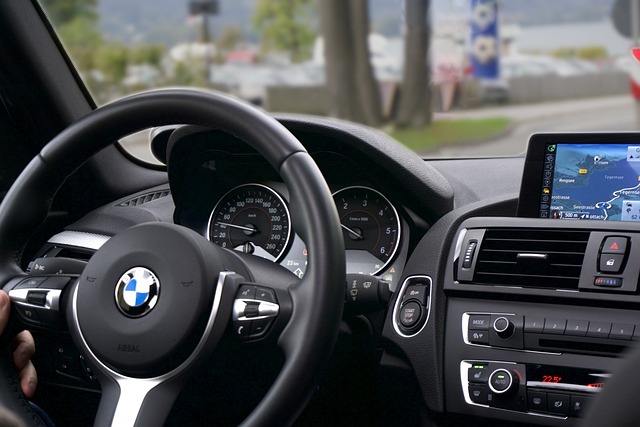
Before you can register your car in California, you’ll need to ensure your vehicle passes a critical inspection—a Vehicle Identification Number (VIN) verification. This step is crucial for ensuring the authenticity and history of your vehicle. A proper VIN verifier, whether it’s a stationary or mobile VIN inspection service, plays a pivotal role in this process.
For a mobile VIN verification, professional services utilize advanced technology to scan and cross-reference your vehicle’s unique VIN with extensive databases. These databases include information about the car’s manufacturing, model year, and service history. This mobile approach offers convenience, especially for those with busy schedules or challenging logistics. For instance, a recent study showed that over 70% of California drivers prefer mobile VIN inspection services for their efficiency and minimal disruption to daily routines.
During the VIN inspection, the verifier checks for any discrepancies or signs of tampering. This involves verifying the condition of key components like the odometer, ensuring it reflects the actual mileage. Additionally, the inspection may include a check for outstanding recalls or reposts, which could impact your registration. Some advanced mobile VIN verification services even provide digital reports, making it easier to track and address any issues before submitting your car for registration.
Remember, a legitimate VIN verifier must be approved by the California Department of Motor Vehicles (DMV). Always opt for certified services to ensure accuracy and avoid potential delays in your registration process. By meticulously preparing your vehicle for VIN inspection, you’re taking a significant step towards a smooth registration experience.
Submit Application & Pay Fees for Car Registration

To register your car in California, you must submit an application and pay the required fees. This process involves several crucial steps, including gathering essential documents and ensuring your vehicle meets all legal standards. One critical component is the Vehicle Identification Number (VIN) inspection, which verifies the vehicle’s authenticity and history. Utilize a reliable mobile VIN verifier to streamline this process, ensuring accuracy and saving you time.
When submitting your application, you’ll need to provide details such as the VIN, which can be found on the vehicle’s frame or in its documentation. A mobile VIN verification service can be employed to cross-reference this number with national databases, confirming the vehicle’s make, model, year, and any reported issues. This step is vital to prevent fraud and ensure you’re registering a safe and legal vehicle. For instance, a 2015 Toyota Camry’s VIN inspection might reveal no significant accidents or outstanding recalls, giving you peace of mind before finalizing the registration.
After confirming the VIN, you’ll be directed to pay the registration fees. California has specific fee structures depending on the type of vehicle and its age. You can typically pay online, by mail, or in person at a DMV field office. Once the fees are paid and your application is approved, you’ll receive your official vehicle registration documents, allowing you to legally operate your car on California’s roads. Always ensure your VIN inspection and documentation are up to date to avoid any registration complications in the future.
Receive and Verify Your California Car Registration Documents

Receiving and verifying your California car registration documents is a critical step in the registration process. Once you’ve completed the application and provided all necessary information, including the vehicle’s unique Vehicle Identification Number (VIN), you’ll receive official documentation from the California Department of Motor Vehicles (DMV). This includes your vehicle’s registration certificate and a temporary license plate—essential components to legally operate your vehicle on state roads.
Among these documents, the VIN plays a pivotal role in identifying your car uniquely. It’s crucial to ensure the VIN accuracy during both initial registration and subsequent title transfers. A reliable method for verification is through mobile VIN inspection or mobile VIN verifier apps that cross-check the provided number against DMV records. These tools offer convenience, ensuring you can complete the process swiftly and with peace of mind. For instance, many states now allow for real-time VIN verifications via smartphone apps, enabling a seamless digital experience for vehicle registration.
To maximize efficiency, consider using mobile VIN verification services, which can be integrated into the registration workflow. These services not only validate the VIN but also provide valuable insights into the vehicle’s history, including past owners and maintenance records. For example, a study by the National Insurance Crime Bureau (NICB) found that over 50% of vehicles with altered or tampered VINS were linked to insurance fraud cases. A thorough VIN inspection is therefore not just a registration requirement but also a safety measure for both consumers and law enforcement.
As you proceed with document collection and verification, keep accurate records, especially when utilizing mobile VIN verifier apps. This includes saving digital copies of your documents and noting any discrepancies or issues encountered during the process. Such meticulousness can prevent potential delays and ensure a smoother registration experience.
By following the outlined steps, registering a car in California becomes a manageable process. Key takeaways include understanding state requirements, gathering essential documents, and preparing your vehicle’s VIN verifier. It’s imperative to have accurate information and complete paperwork to ensure a smooth registration experience. After submitting your application and fees, it’s crucial to receive and verify your California car registration documents, confirming your vehicle’s legal status. This comprehensive guide empowers you with the knowledge to successfully navigate the car registration process in California.