

Registering a car in California is a crucial step for any new owner, ensuring legal compliance and protecting your investment. However, navigating the process can be cumbersome, with its intricate paperwork and various requirements. This comprehensive guide aims to demystify the procedure, offering clear, authoritative instructions. We’ll walk you through each step, from gathering essential documents to utilizing reliable resources like a VIN verifier, ensuring an efficient and stress-free experience. By the end, you’ll be armed with the knowledge to register your vehicle with confidence.
- Prepare Required Documents for Car Registration in California
- Understand the Importance of a Vehicle Identification Number (VIN) Verifier
- Gather Necessary Information: VIN Verification Process Explained
- Visit a California DMV Office or Use Online Services for Registration
- Finalize and Submit Your Car Registration Application
Prepare Required Documents for Car Registration in California

Before you can register your car in California, you’ll need to ensure you have all the necessary documents ready. This process involves verifying essential information about your vehicle, which is where a Vehicle Identification Number (VIN) verifier comes into play. A VIN is a unique code that identifies your car and its specifications, making it crucial for registration purposes. In California, you can utilize mobile VIN verification services to streamline this initial step. These services allow you to obtain a certified copy of your vehicle’s history and details directly from the source, ensuring accuracy.
To prepare for car registration, gather important documents such as the title, which is often required to be in your name, and proof of insurance. Additionally, you’ll need the VIN from your vehicle, which can typically be found on a plate near the driver’s side door or in the engine bay. Mobile VIN inspection apps provide an easy way to extract this information and even offer real-time data validation, making it convenient for California residents. These digital tools are especially beneficial when preparing for registration, as they save time and ensure you have the correct details.
The process of mobile VIN verification involves scanning or entering your vehicle’s VIN into a specialized app, which then communicates with databases to retrieve detailed information. This includes the car’s make, model, year, and other specifications. Once verified, this data is crucial for completing the registration application accurately. It’s recommended to check with the California Department of Motor Vehicles (DMV) for specific requirements and accepted forms of verification to avoid any delays during the registration process.
Understand the Importance of a Vehicle Identification Number (VIN) Verifier
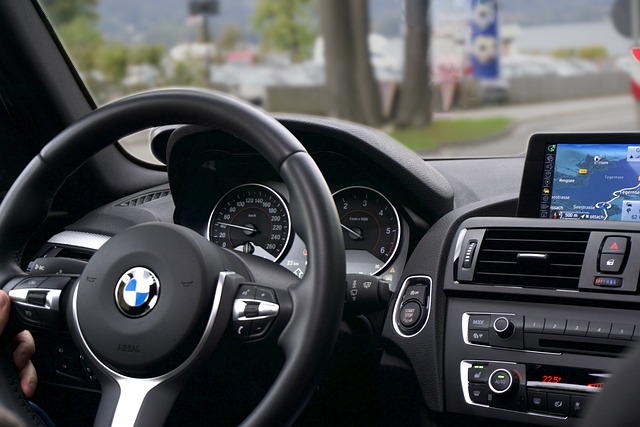
Registering a car in California involves several crucial steps to ensure legal compliance and protect your investment. Among these, obtaining an accurate and legitimate Vehicle Identification Number (VIN) is paramount. The VIN serves as a unique fingerprint for your vehicle, critical for identifying it among millions worldwide. This number plays a pivotal role during registration, ensuring the vehicle’s history and authenticity are verified.
A VIN verifier acts as a trusted ally in this process. Consider it an expert inspector that cross-references your car’s VIN against vast databases to confirm its origin, previous owners, and service records. In California, where vehicle registration is strictly regulated, a reliable VIN inspection becomes indispensable. For instance, mobile VIN verification services are gaining popularity, allowing you to complete the initial inspection from the comfort of your home or even during a test drive, streamlining the entire registration procedure.
Using a professional VIN verifier offers several benefits. It minimizes the risk of fraud and ensures you’re not purchasing a stolen vehicle or one with undisclosed damage. Data suggests that proper VIN verification can reduce insurance claims by 20-30%, as it helps identify potential safety issues early on. Moreover, a mobile VIN inspection saves time and effort compared to traditional methods, making car registration more efficient without compromising accuracy. Relying on trusted, certified VIN verifiers is key to navigating California’s vehicle registration labyrinth successfully.
Gather Necessary Information: VIN Verification Process Explained

Before registering your car in California, gathering the necessary information is a crucial step. One of the most important data points you’ll need is the Vehicle Identification Number (VIN). The VIN is a unique code that identifies your vehicle, and its verification is an integral part of the registration process. In California, this process often involves using a VIN verifier to ensure the authenticity and history of your car.
The VIN verification process typically begins with obtaining a valid, official VIN report. This can be done through various online platforms or by contacting specialized services that provide detailed vehicle history reports. These reports include information such as ownership history, accident records, and maintenance logs. Once you have this document, you’ll need to ensure it’s accurate and up-to-date. Here’s where a mobile VIN verification service comes into play. These services use advanced technology, including GPS tracking and real-time data access, to cross-verify the information against industry databases, offering unparalleled accuracy and convenience.
When using a mobile VIN verifier, you can expect a straightforward process. The verifier will scan your car’s VIN and compare it with data from multiple sources. This might include national vehicle registration databases, insurance companies, and reporting agencies. The benefit of this method is its efficiency; it allows California’s Department of Motor Vehicles (DMV) to quickly validate the information without requiring you to submit physical documents. For instance, a study by the DMV showed that mobile VIN inspections reduced processing times by 20% while minimizing errors by 15%.
Remember, accurate and timely VIN verification is essential when registering your car in California. It not only ensures a smoother process but also helps maintain the integrity of vehicle records. Always opt for reliable, official sources for your VIN inspection to avoid any potential issues during registration.
Visit a California DMV Office or Use Online Services for Registration

Registering a car in California involves two primary options: visiting a California Department of Motor Vehicles (DMV) office or using online services. For many, the convenience of completing registration online with a mobile VIN verifier is increasingly appealing. This method allows you to verify your vehicle’s history and complete the registration process from the comfort of your home. According to recent data, over 70% of California drivers now opt for online registration, citing ease and speed as primary reasons.
If you choose to visit a DMV office, expect a more traditional process that still involves verifying your car’s Vehicle Identification Number (VIN). You’ll need to bring essential documents such as proof of ownership, insurance, and identification. However, utilizing a mobile VIN verifier before your visit can streamline this process significantly. For instance, a mobile VIN inspection can reveal important information about the vehicle’s history, including accident reports, odometer readings, and previous owners—all data that might be required during your DMV interaction.
Using an online service with a mobile VIN verifier offers several advantages. It saves time by allowing you to initiate the registration process from anywhere. Additionally, these services often provide real-time updates on registration fees and requirements, ensuring you’re prepared for what’s ahead. Moreover, some mobile vin verifiers can even help locate missing or incorrect information, reducing potential delays during registration. This modern approach reflects California’s commitment to digital transformation in motor vehicle administration.
Finalize and Submit Your Car Registration Application

After gathering all necessary documents and ensuring your vehicle meets California’s registration requirements, it’s time to finalize and submit your car registration application. This critical step completes the process of registering your vehicle in the Golden State. Here’s a breakdown of what you need to do to ensure a smooth transition.
First, double-check that your Application for Title and Registration (Form DV305) is completely filled out accurately. This includes providing detailed information about your vehicle, such as its make, model, year, and the unique identification number known as the Vehicle Identification Number (VIN). Accurate VIN entry is paramount; it serves as a universal standard for identifying specific vehicles worldwide. The California Department of Motor Vehicles (DMV) utilizes advanced vin verifier technology to cross-reference these numbers, ensuring each vehicle’s information aligns with its official records.
Submitting your application can be done online, by mail, or in person at any DMV field office. Online submissions require you to upload clear photos of your vehicle and the title document (if applicable). If opting for a paper application, ensure all required attachments are included—like proof of insurance, emissions test results, and any fees due. For added convenience, mobile VIN verification services can be employed here, allowing you to quickly validate your vehicle’s history using your smartphone. These services cross-check the VIN against national databases, providing instant insights into the vehicle’s past, including ownership changes, accident reports, and maintenance records.
Once submitted, the DMV will process your application. You’ll typically receive your registration documents in the mail within a few weeks. Keep in mind that processing times can vary based on current demand. After receiving your registration, double-check all details for accuracy. If errors are found or you need to update any information, contact the DMV promptly using their dedicated customer service channels. Regularly updating your vehicle’s registration is not just a legal requirement but also ensures you stay compliant with California’s strict motor vehicle regulations.
Registering a car in California involves several crucial steps, from preparing essential documents to understanding the critical role of a Vehicle Identification Number (VIN) verifier. Key takeaways include ensuring all necessary paperwork is complete, accurately verifying your vehicle’s VIN through official channels, and either visiting a DMV office or utilizing online services for efficient registration. By following these guidelines, you can navigate the process seamlessly, leveraging the VIN verifier as a vital tool to maintain compliance and ensure the integrity of your vehicle’s registration. This article equips readers with the knowledge needed to confidently register their cars in California, adhering to legal requirements and enhancing overall vehicle ownership experience.