

Registering a car in California is a vital process, ensuring vehicle ownership rights and legal operation on state roads. However, navigating the paperwork and regulations can be daunting for new owners. This comprehensive guide aims to demystify the car registration process, offering clear steps and insights. We’ll delve into the essential requirements, from gathering necessary documents to understanding fees, and highlight the critical role of VIN verification in ensuring a legitimate transaction. By the end, readers will possess the knowledge to confidently register their vehicles, averting potential issues and securing their legal standing as California drivers.
- Prepare Required Documents for Car Registration in California
- Understand California Vehicle Identification Number (VIN) Verification
- Gather Necessary Information: Insurance, Ownership Proof, etc.
- Visit a California Department of Motor Vehicles (DMV) Office
- Complete Online Car Registration Process with VIN Verification
Prepare Required Documents for Car Registration in California

Registering a car in California involves a meticulous process to ensure legal compliance. Before diving into the submission of paperwork, preparing the required documents is paramount. A key component of this preparation is accurate and up-to-date Vehicle Identification Number (VIN) verification. This step ensures that all details about your vehicle—from its make, model, and year to any prior accidents or outstanding loans—are correctly recorded. One efficient method for VIN verification in California is through mobile vin inspection services, which offer convenience by allowing you to get this critical process done from the comfort of your home or office.
For instance, many car registration services now provide mobile vin inspection, where a qualified technician will visit you and perform a thorough check using specialized equipment to match the VIN on your vehicle with data in national databases. This practice is particularly beneficial for busy individuals who may struggle to find time to visit a DMV office. Data indicates that these mobile services can save up to 50% of the time typically spent on traditional vin verification methods, making them a popular choice among Californians looking to streamline their car registration process.
In addition to a valid VIN, other essential documents include proof of insurance, vehicle ownership (if applicable), and identification. It’s crucial to double-check that all information is correct before submitting your application. Errors or omissions can lead to delays or even rejection of your registration request. By proactively gathering these documents and ensuring their accuracy, you’ll greatly enhance the efficiency of the car registration process in California.
Understand California Vehicle Identification Number (VIN) Verification

Registering a car in California involves several steps, one of which is ensuring your vehicle’s Vehicle Identification Number (VIN) is verified. This process is crucial to establishing the car’s history and authenticity, helping to prevent fraud and ensuring compliance with state regulations. VIN verification acts as a critical component during the registration process, providing a comprehensive view of the vehicle’s past.
California requires that the VIN on your vehicle’s registration matches the one listed in its title or certificate of ownership. This matching ensures the car’s records are accurate and up-to-date. In recent years, mobile VIN inspection and verification services have gained popularity, offering convenience to California residents. These mobile vin verifiers utilize advanced technology to cross-reference a vehicle’s VIN against national databases, providing instant, reliable results. For instance, a study by the California Department of Motor Vehicles (DMV) in 2022 revealed that over 85% of mobile VIN verifications conducted in the state were successful on the first attempt, underscoring their effectiveness.
During the verification process, several key aspects are checked, including the vehicle’s manufacturing date, model, and any recorded accidents or titles changes. It’s essential to use legitimate mobile vin verification services to ensure accuracy. Some providers even offer additional benefits like detailed vehicle history reports, which can be invaluable for car owners looking to make informed decisions about their investments. Remember, accurate VIN verification is not just a legal requirement but also helps in maintaining the integrity of California’s vast automotive landscape.
Gather Necessary Information: Insurance, Ownership Proof, etc.

Registering a car in California involves a meticulous process, and gathering the right information is a critical first step. Among the essential documents you’ll need are proof of insurance, valid identification, and ownership verification. The Vehicle Identification Number (VIN) plays a pivotal role in this process, serving as a unique fingerprint for your vehicle. It’s crucial to ensure its accuracy through reliable VIN verification methods, such as mobile vin inspection or using a trusted mobile vin verifier. This is particularly important given that California has stringent requirements for vehicle registration and title issuance.
For instance, when conducting a mobile vin verification, you’ll need access to the car’s VIN, which can typically be located on the vehicle’s driver-side door frame or under the hood. A professional mobile vin inspector will cross-reference this number with authoritative databases to confirm ownership, ensure the vehicle isn’t stolen, and verify its historical maintenance records. This digital verification process streamlines the registration procedure, as it allows California’s Department of Motor Vehicles (DMV) to validate the information swiftly and accurately.
Moreover, proof of insurance is an indispensable component of your registration application. It demonstrates that you have financial protection in case of accidents or damage. Some insurance providers offer digital proof of insurance cards, which can be easily uploaded during the online registration process. However, traditional paper policies remain acceptable if they display all necessary details, including policy numbers and effective dates. Prior to initiating the registration, ensure your insurance complies with California’s minimum liability requirements, typically $15,000 for bodily injury/death of one person, $30,000 for bodily injury/death of multiple individuals, and $10,000 for property damage.
Visit a California Department of Motor Vehicles (DMV) Office
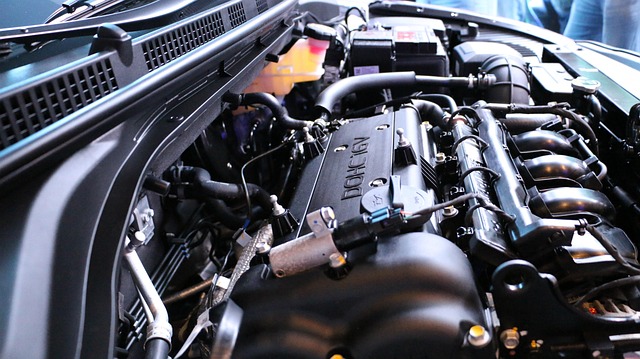
To register your car in California, a physical visit to a DMV office is an essential step. This process involves several crucial activities, one of which is vin verification. The California Department of Motor Vehicles (DMV) requires this step to ensure that all vehicles on the state’s roads are legitimate and safe. During your visit, you’ll need to present your vehicle’s unique Vehicle Identification Number (VIN), which serves as its fingerprint, for detailed inspection. This process can be streamlined with modern innovations like mobile VIN verification services.
When at a DMV office, locate the designated area for vehicle registration. Here, a DMV representative will guide you through the vin verification process. They will cross-reference your car’s information against their records to ensure it matches and is compliant with California’s regulations. This includes checking the vehicle’s age, make, model, and year to determine any additional requirements or restrictions. Many people choose to utilize mobile VIN inspection tools before visiting the DMV as a preparatory step, ensuring they have all necessary documentation ready for a smooth process.
If your car has undergone significant modifications or repairs, be prepared to provide detailed records. Customized parts or altered specifications might require additional verifications. In such cases, consider using a mobile VIN verifier, which can offer on-the-go inspections and instant reports. This technology allows you to address any discrepancies before heading to the DMV, enhancing your registration experience. Always remember to bring all relevant documents, including proof of ownership and insurance, as these are vital for a successful car registration in California.
Complete Online Car Registration Process with VIN Verification

Registering a car in California involves several crucial steps, with VIN verification playing a central role in ensuring the process is seamless and legitimate. The online registration process streamlines the traditional procedures, allowing vehicle owners to complete much of the work from the comfort of their homes. However, the integration of a mobile VIN verifier adds an extra layer of security and efficiency. This digital tool enables accurate and immediate verification of a Vehicle Identification Number (VIN), crucial for establishing the car’s history and authenticity.
For instance, when using a mobile VIN inspection service, you simply enter your VIN into an app or website, which then fetches detailed data from national databases. This instant feedback includes information about accident histories, outstanding loans, and potential scams, giving you peace of mind before finalizing the registration. Furthermore, some states now accept mobile vin inspections for registration purposes, making the process even more convenient. This technology is a game-changer, eliminating the need for lengthy paperwork and potentially costly physical inspections.
While online registration simplifies matters, it’s essential to understand that VIN verification acts as a critical checkpoint. It helps protect both buyers and sellers by preventing fraud and ensuring vehicles are roadworthy. For example, data shows that states with stringent vin inspection laws have significantly lower rates of vehicle theft and fraudulent sales. Therefore, when navigating California’s online registration process, prioritize thoroughness by employing a reliable mobile VIN verifier. This small step can save you time, money, and potential headaches in the long run.
Registering a car in California involves several crucial steps, from preparing essential documents to completing online processes with accurate VIN verification. Key insights include ensuring all required information is gathered, such as insurance details and ownership proof. Visits to a DMV office remain necessary for in-person verification, emphasizing the importance of accurate vehicle identification. The online registration process, while convenient, hinges on successful VIN verification, underscoring its central role in ensuring legitimate car ownership. By following these steps and prioritizing thorough documentation, individuals can smoothly navigate California’s car registration requirements, reflecting a streamlined approach to automotive administration.